The Process
Traditional Sculpture
As with any serious creative endeavor, to do this kind of work requires a lot of time, effort and most of all persistence. In the age of 3D printing and AI it’s astounding how many people have come to believe that a simple prompt and the push of a button can bring almost anything to life. And while we seem to be moving in that direction, there is still a big wide world where good old practical hand crafted art work continues to thrive, just as it has for millennia. This is the tried and true process that you see represented here.
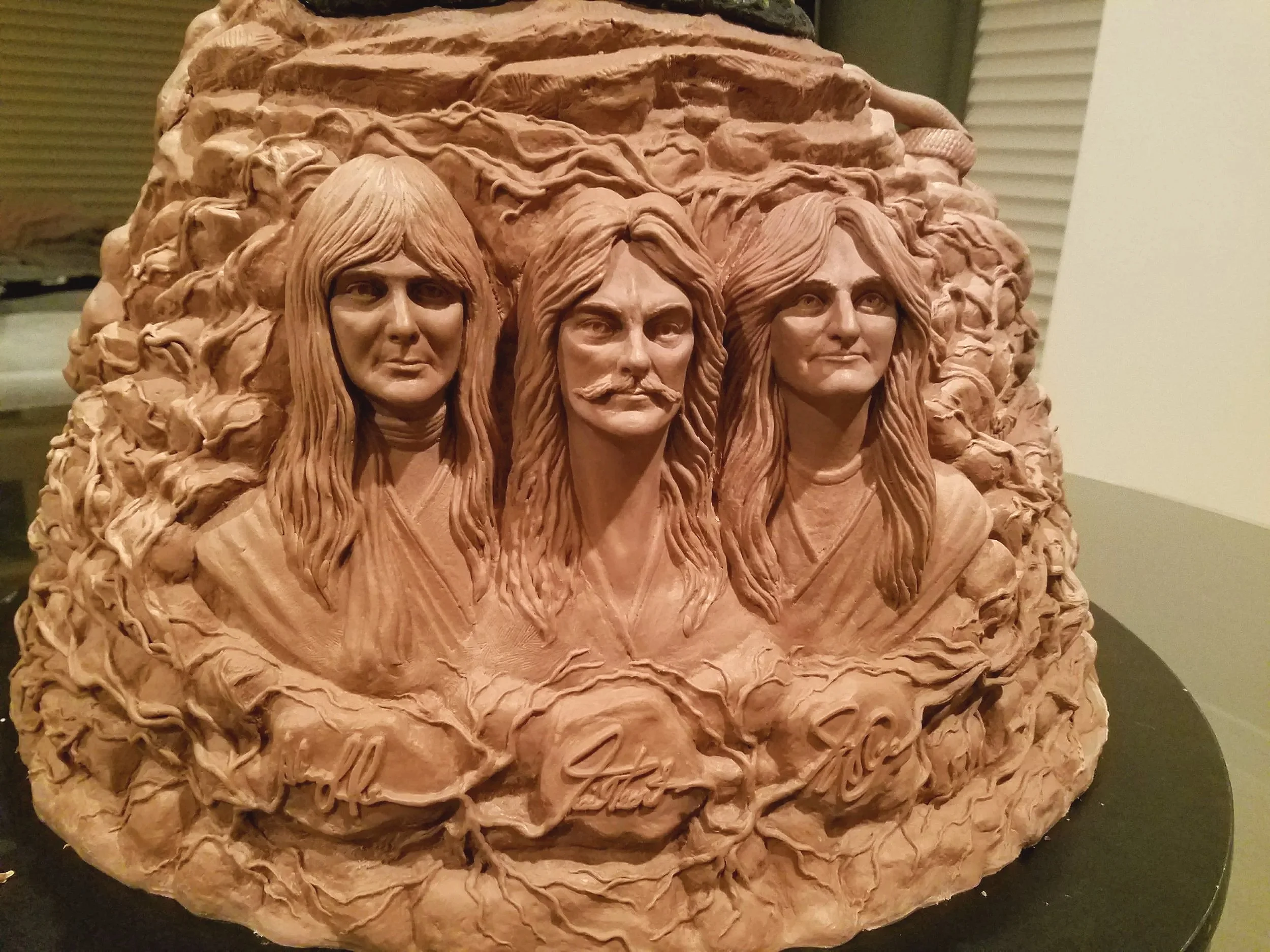
All the sculptures shown on this site are made exclusively by hand using traditional physical materials including Monster Clay, sculpting tools, brushes — and a lots of blood, sweat, and tears. And that’s just to bring a clay sculpture to life. Once the clay sculpture is finished, it stays as-is unless a more permanent material is desired. For archival work a few additional steps are required to transform the sculpture into something more that will last beyond its creator.
Making the Mold
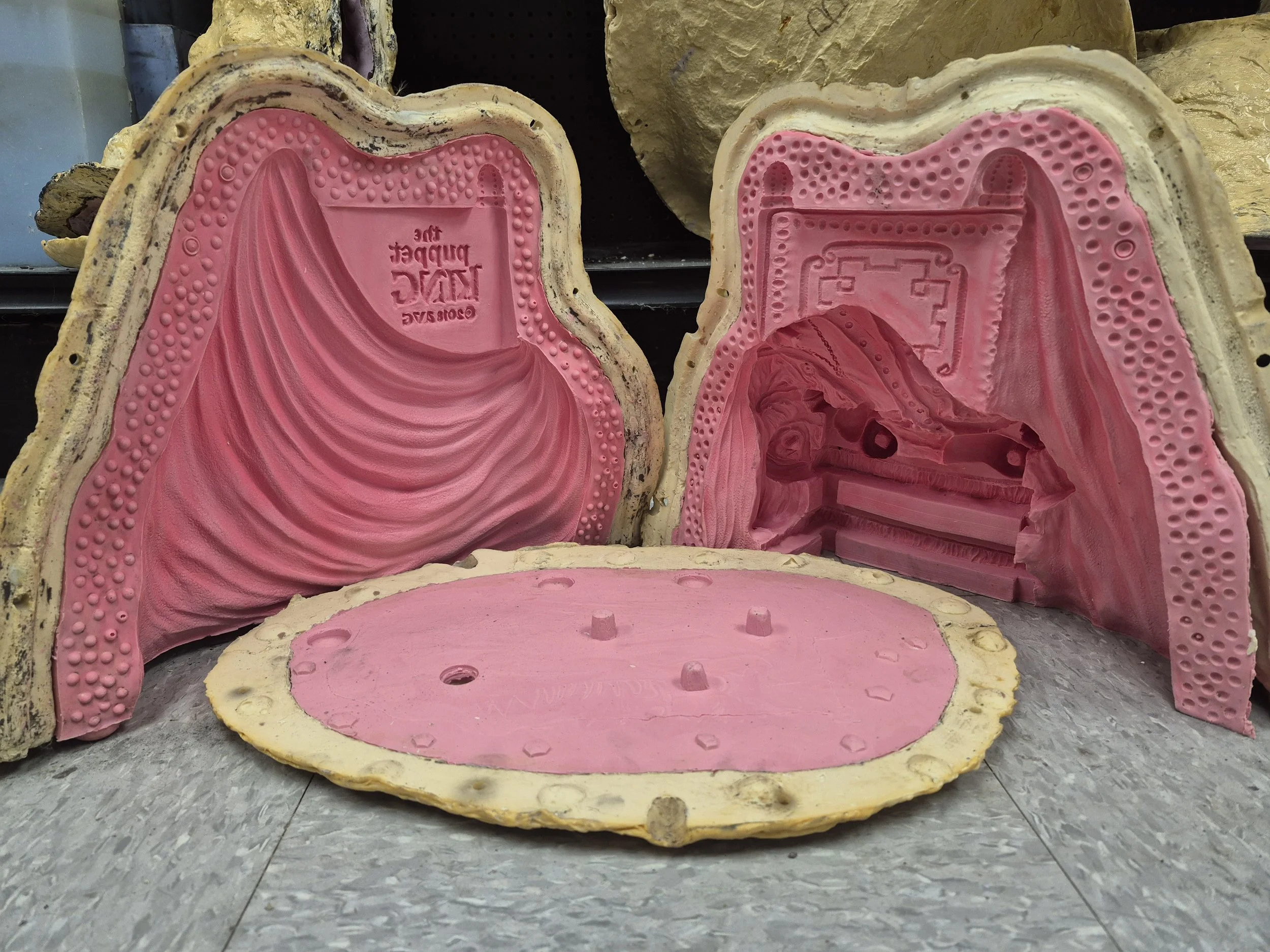
In the traditional sculpting world we turn to molding and casting for longevity. I’ll spare you most of the technical details, but basically the original clay sculpture becomes the pattern for a mold made from silicone that’s applied to the clay surface as a brush-able liquid and later cures into a nonstick rubber. After the silicone cures, a rigid jacket is fabricated around the flexible silicone coated sculpture to hold everything securely in place. Once the mold and jacket are complete, the original clay pattern is removed, This is the nervous moment when you silently pray to the Rush Gods that every fine detail was captured and no unintended flaws were introduced. There is no do over in this particular process. With complex sculptures this process needs to be repeated multiple times depending on the number of parts required.
Casting the Part
Most castings are done in a two‑part casting urethane infused with metal powder. This composite material is poured into the empty silicone mold that holds a reverse imprint of the sculpture. Once the casting compound has fully set and cured, the mold is gently taken apart (with one last whispered prayer to the Rush Gods), and the newly formed casting is carefully removed.
Finishing the Work
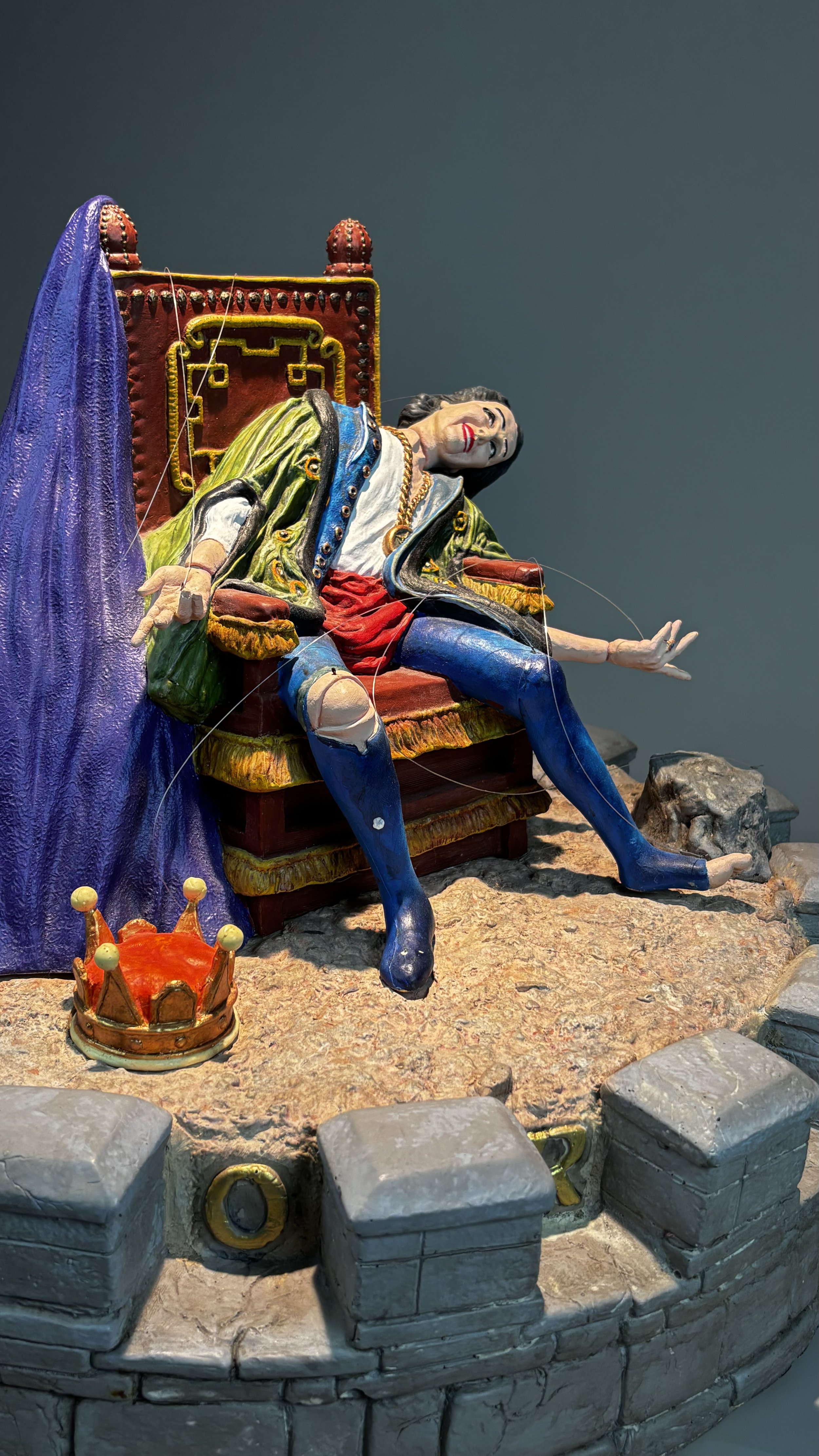
The final stage is to sand and polish the cast, bringing out the warm luster and subtle highlights of the metal. For the finished castings in this collection I used four different metals—bronze, aluminum, nickel, and copper—to achieve a range of tones and textures. For the painted pieces I omitted the metal powder and instead finished the surface with a variety of mediums, including acrylics, urethane coatings, and intrinsic coloring, to create rich, enduring finishes.
Clay Sculpting Process
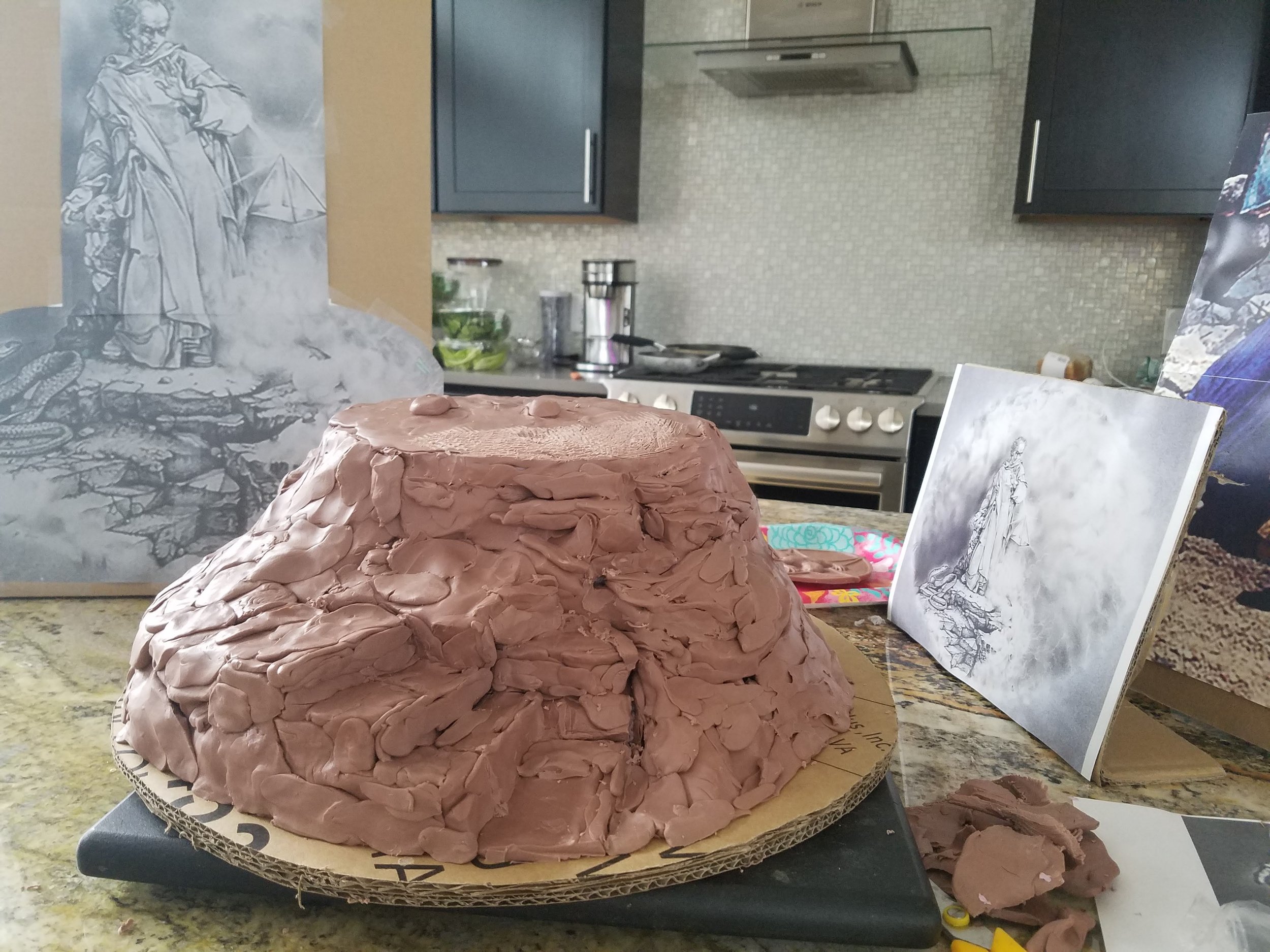
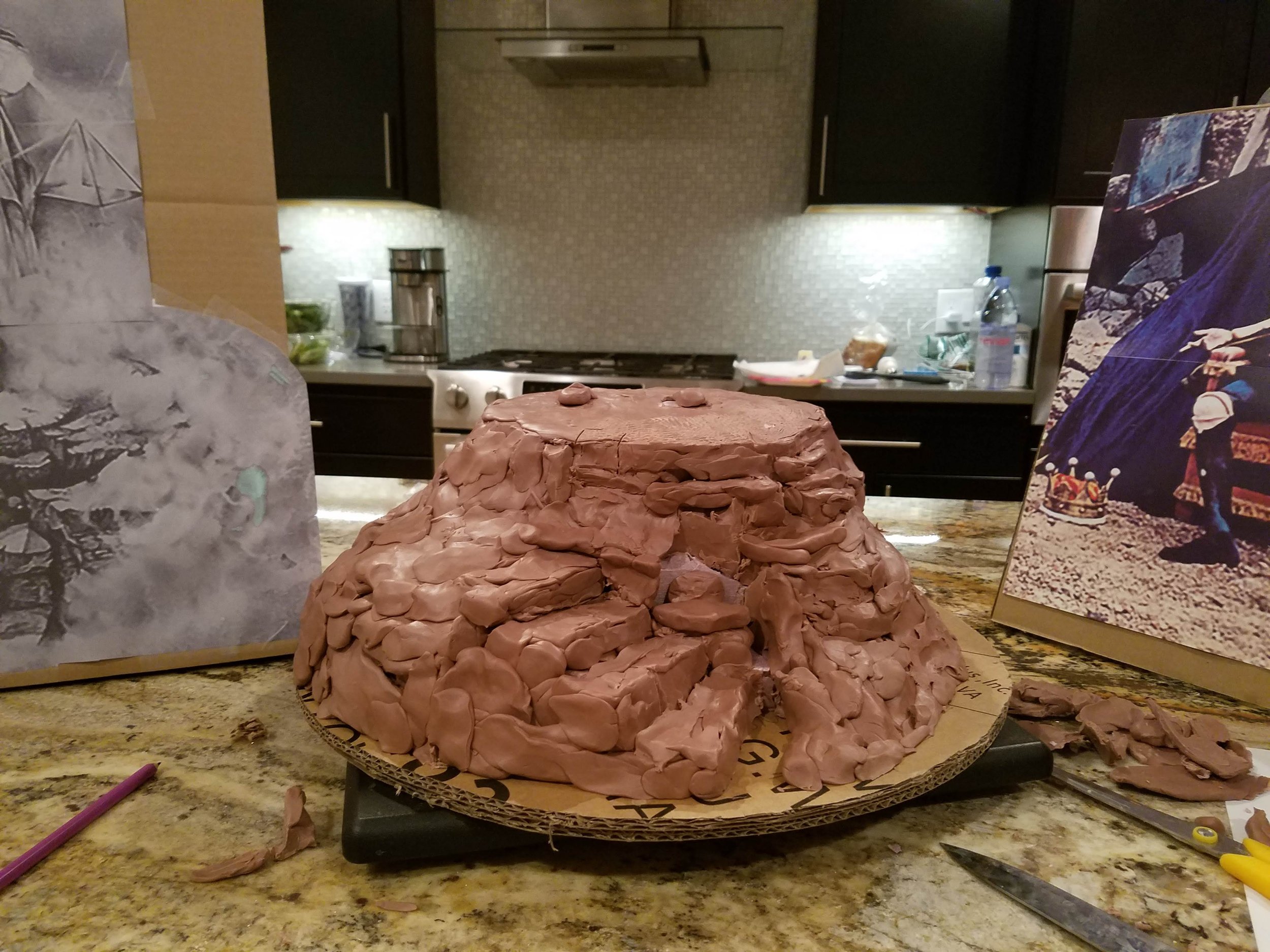
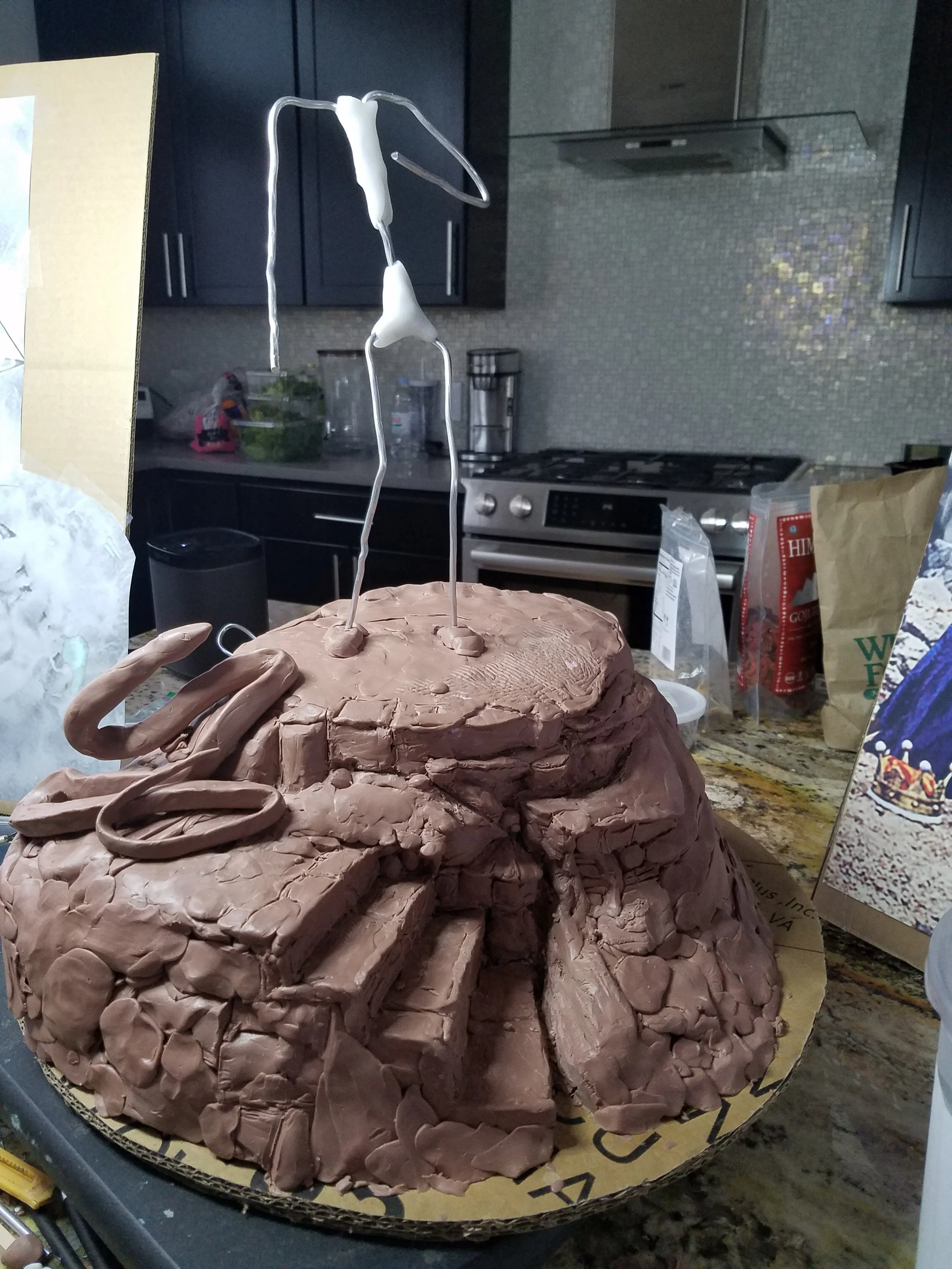
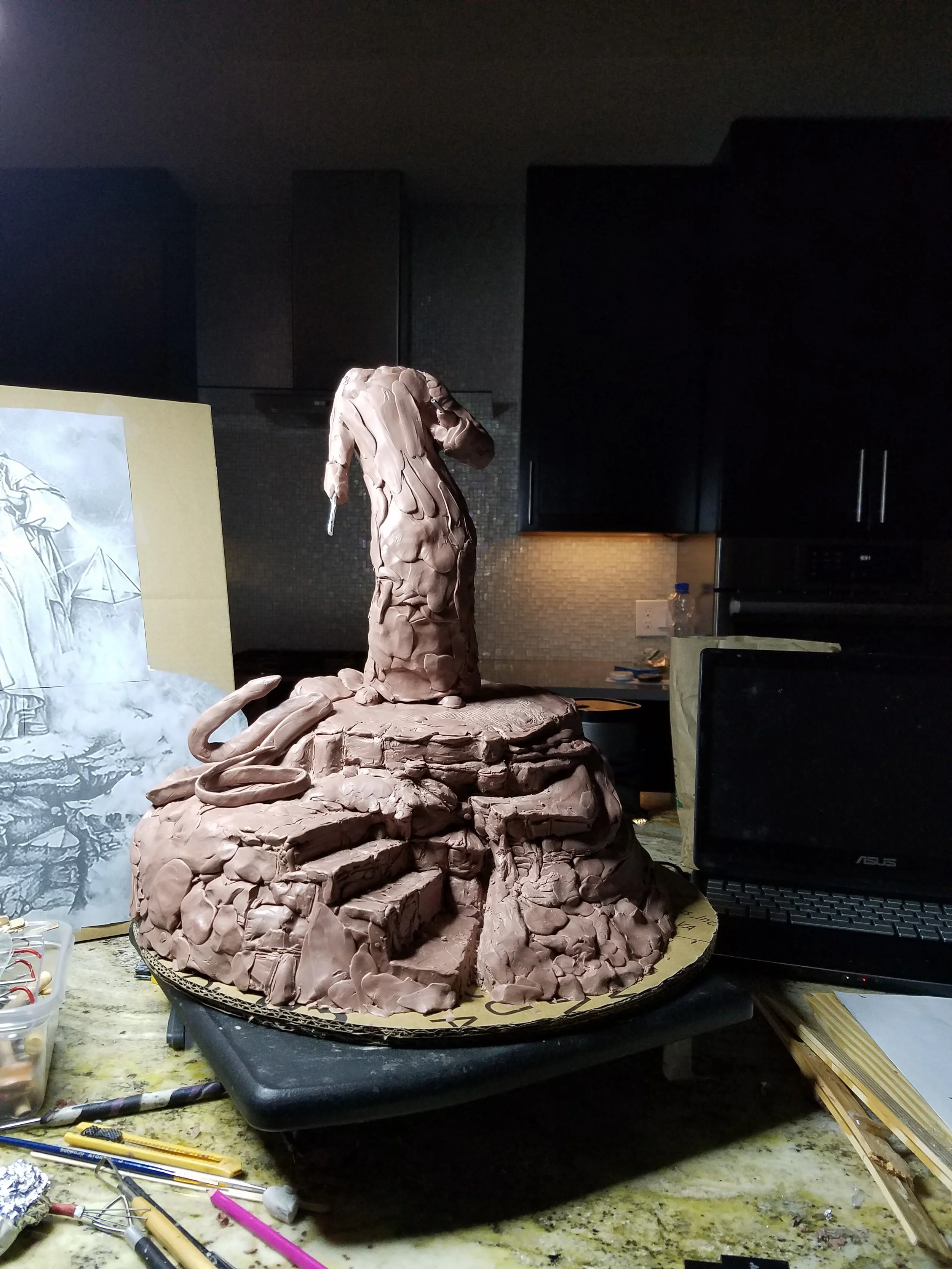
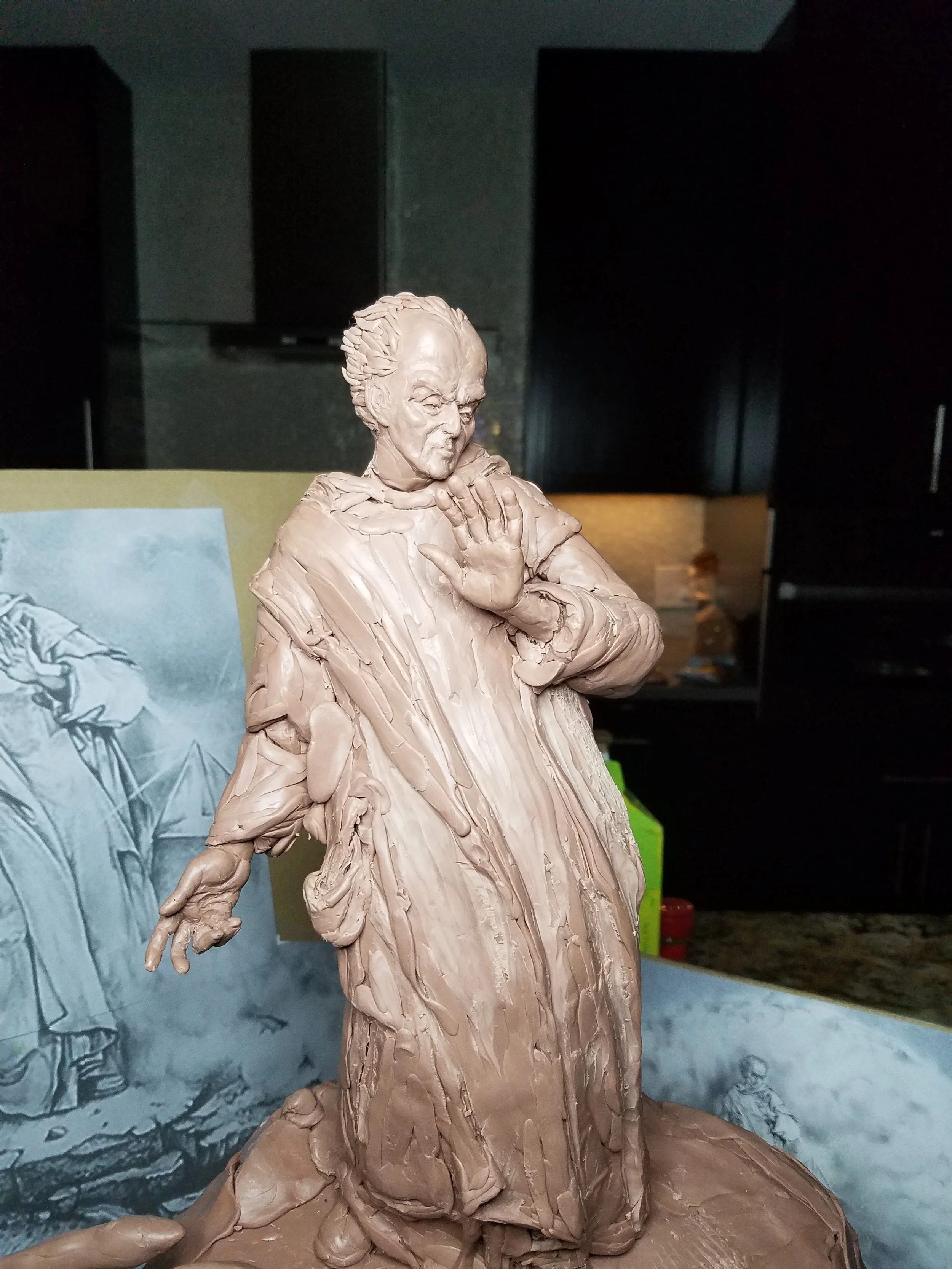
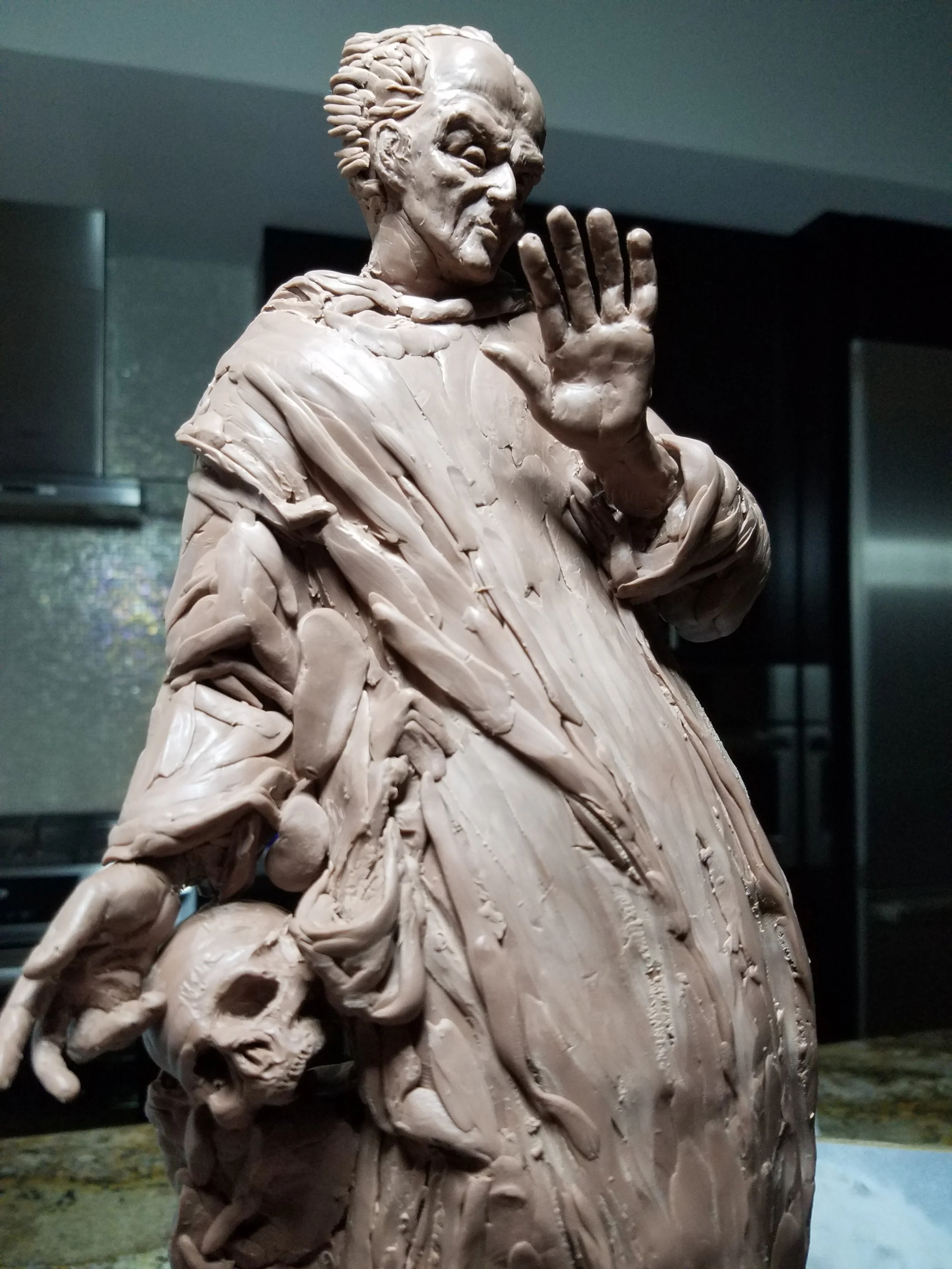
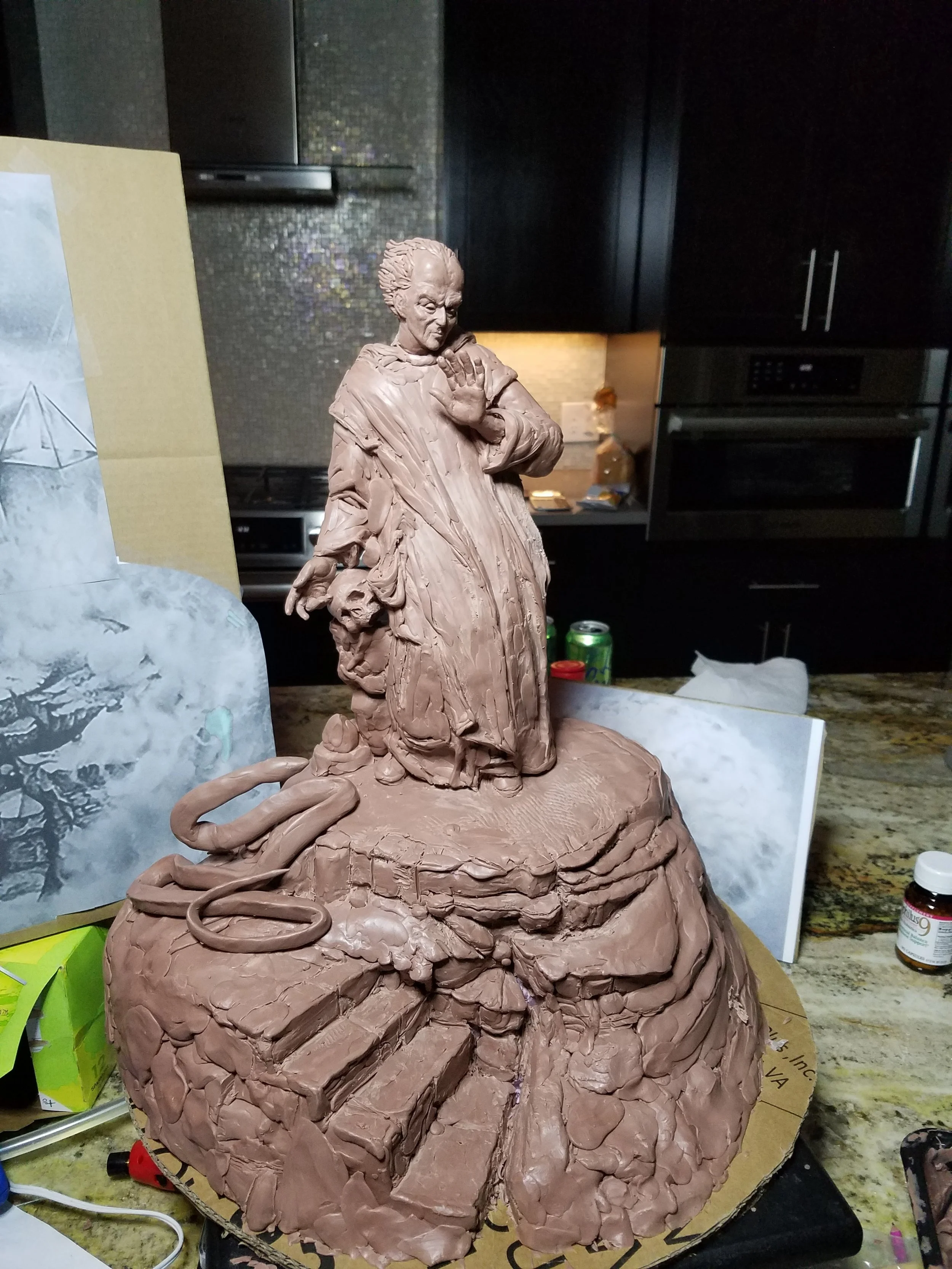
For those interested, I’ve included a few images of the sculpting process below. Most of the time the work looks somewhat awkward and unfinished, and that’s because it is exactly that — a work in progress. Much like a song being composed, a sculpture is gradually built up in stages, adding and subtracting clay until you reach a point where you feel mostly satisfied and can call the piece done. Not perfectly finished, but done.